

Psychosis Treatment That Finds Out What’s Driving It
Drugs, a new baby, a medical problem, or the start of a longer-term condition. Each one is treated differently. Our psychosis treatment in Houston starts with stabilization and a full medical and psychiatric evaluation.
- 24/7 medically supervised stabilization in a private setting
- Medical causes checked by neurology, endocrinology, labs and imaging
- Psychiatric and therapeutic care built around one person
Prefer to talk now? Call (713) 715-1618
Schedule a Consultation
Confidential, with no sales pitch. Our admissions team calls you back, listens, and tells you plainly if we’re not the right fit.
By submitting, you agree to be contacted by J. Flowers Health Institute by phone or email. Everything you share is kept confidential.
If you or someone you love is in immediate danger, call 911 or the 988 Suicide & Crisis Lifeline. Our admissions line is not an emergency service.
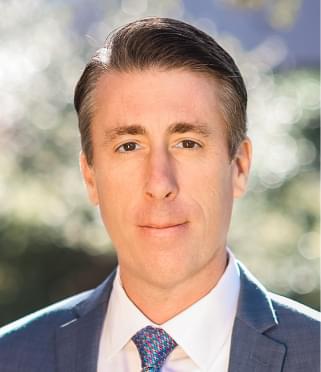
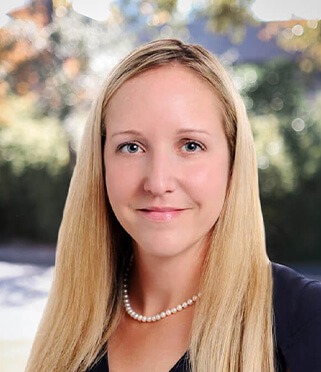
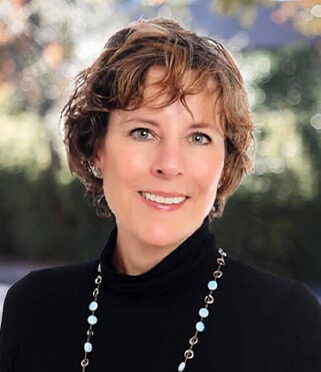

Led by Jonathan Stevens, MD, MPH, Psychiatric Medical Director, with board-certified physicians and specialists.
One private stay for the full evaluation, next door to The Houstonian.


When Someone You Love Isn’t Themselves Anymore
It may have started after a weekend of heavy cannabis use, a meth binge, or a few weeks after the baby came. They’re hearing or seeing things, or certain of something that isn’t true. The ER held them for a few hours and sent them home with a referral.
The first question every family asks is the right one: is this temporary, or the start of something longer? Answering it takes more than a short hospital stay. It takes time, testing, and doctors who look at the whole person.
We help people who:
- Had a first psychotic episode and need a clear diagnosis
- Developed psychosis after cannabis, methamphetamine or other substance use
- Are experiencing psychosis after childbirth
- Were released from a hospital before anyone found the cause
- Have psychosis alongside depression, trauma or addiction

Types of Psychosis We Treat
Psychosis is a symptom with many possible causes. Treatment for psychosis depends on which one is behind it.
- Postpartum psychosis treatment
- Cannabis induced psychosis treatment
- Methamphetamine psychosis treatment
- Psychosis with a medical cause
- First-episode and complex psychosis
- Co-occurring conditions
Postpartum psychosis treatment
A medical emergency. If a mother may harm herself or her baby, call 911 first. Ongoing care pairs psychiatry with OB-GYN Catherine Karmel, MD.
Cannabis induced psychosis treatment
Heavy cannabis use can bring on psychosis. We help the body settle first, then look at whether symptoms clear or point to something longer-term.
Methamphetamine psychosis treatment
Stimulants and withdrawal can hide what’s underneath. Care starts with medical monitoring, then treats the psychosis and the substance use together.
Psychosis with a medical cause
Neurology, endocrinology, labs and imaging check for medical causes, so a physical problem behind the symptoms isn’t missed.
First-episode and complex psychosis
A first episode deserves a clear answer. Our evaluation ends in a written report and a unified diagnosis your family can understand.
Co-occurring conditions
Psychosis alongside depression, trauma or addiction. One team treats each piece on one plan, so nothing gets lost between offices.
How Psychosis Disorder Treatment Works Here
From the first call to the plan you take home, one coordinator manages accommodations, scheduling and every appointment.

01
A confidential consultation
Call or send the form. An admissions specialist listens to what’s happening, answers your questions, and tells you plainly whether we’re the right fit. Families are welcome to make the first call.
02
Stabilization, when it’s needed
Care begins with 24/7 monitoring by a private medical team: sleep, vital signs, nutrition and medical safety, in a calm setting.
03
A full diagnostic evaluation
Once symptoms settle, medical, psychiatric, neuropsychological, lab and imaging assessments show what’s driving the psychosis. You get a written report and a unified diagnosis.
04
Individualized treatment
Care built from those findings: one-on-one psychiatric care, therapy, and treatment for any substance use or medical cause.
05
A plan that goes home with you
A written plan, coordination with your doctors at home, and ongoing family and alumni support after discharge.
The Physicians Behind Your Loved One’s Care

Jonathan Stevens, MD, MPH
Psychiatric Medical Director

Karen Hughes, DO
Psychiatrist

Catherine Karmel, MD
Obstetrician-Gynecologist

William S. Gilmer, MD
Neurologist
Your team is assembled around your evaluation, with additional specialists brought in when needed.
Why Families Choose Our Psychosis Treatment Center


01
One team, one plan
Physicians, psychiatrists, psychologists and therapists share one plan and meet about you, so nothing gets lost between offices.
02
Specialists when your case calls for them
Dr. James Flowers partners with leading specialists when a case calls for them.
03
24-hour access to your team
During your stay you can reach your care team at any hour, and one coordinator handles every detail.
04
Privacy built into the schedule
We limit census, stagger schedules, and keep private access for clients, including public figures and high-profile families.
05
A quiet place to stay
Optional private accommodations at The Houstonian Hotel, Club & Spa or a nearby residence, next door to our offices. We arrange travel, lodging and scheduling.
06
Your family stays informed
With consent, families get scheduled updates and guided sessions through our Family Program, in person or remotely.
“Before coming here, everything felt urgent and out of control. This was the first place where I felt monitored, supported, and able to breathe again.”
Client, Stabilization
Questions Families Ask
Can you tell whether psychosis is drug-induced?
That’s one of the main questions our evaluation works to answer. First we help the body settle, because substances and withdrawal can hide what’s underneath. Then our team runs medical, psychiatric, neuropsychological, lab and imaging assessments. You get a written report and a unified diagnosis.
We just had a baby. How does postpartum care work?
Call us first and tell us what’s happening. Our admissions team listens and explains how stabilization and evaluation would work for a new mother. With consent, your family gets scheduled updates and guided sessions through our Family Program. We’ll answer questions about the baby and family visits on that call.
What if my loved one won’t agree to treatment?
This is common, and you don’t have to sort it out alone. Call us. Our admissions team can talk with you about what’s happening and how families usually approach the conversation. If we’re not the right fit, we’ll tell you plainly.
Should we look for psychosis treatment centers near me instead?
Close to home can help, and we’ll say so if it’s the better fit. Families travel to Houston when they want one team to look at the whole picture in one place. We arrange travel, lodging and scheduling, and we coordinate with your doctors at home after discharge.
How long does it take?
The full evaluation is the first part of the program and happens in one private stay. How long treatment lasts after that depends on what the evaluation finds, and your team will talk it through with you.
What happens after I send the form?
An admissions specialist from J. Flowers calls you back from (713) 715-1618. The call is confidential and there’s no sales pitch. They listen, answer your questions, and tell you plainly if we’re not the right fit. Nothing is booked.
Talk to Someone Today
A confidential consultation. Tell us what’s happening and we’ll help you understand what comes next.
If you or someone you love is in immediate danger, call 911 or the 988 Suicide & Crisis Lifeline. Our admissions line is not an emergency service.
Request a Consultation
Confidential, with no sales pitch. Our admissions team calls you back, listens, and tells you plainly if we’re not the right fit.
By submitting, you agree to be contacted by J. Flowers Health Institute by phone or email. Everything you share is kept confidential.